Practical cleaning guide
Common cleaning mistakes and how to fix them
The most useful cleaning fixes are usually about method rather than stronger chemicals: follow the product label, match the product to the surface, ventilate where required, keep cloths and tools appropriate to the task, and separate routine cleaning from jobs that need specialist treatment.
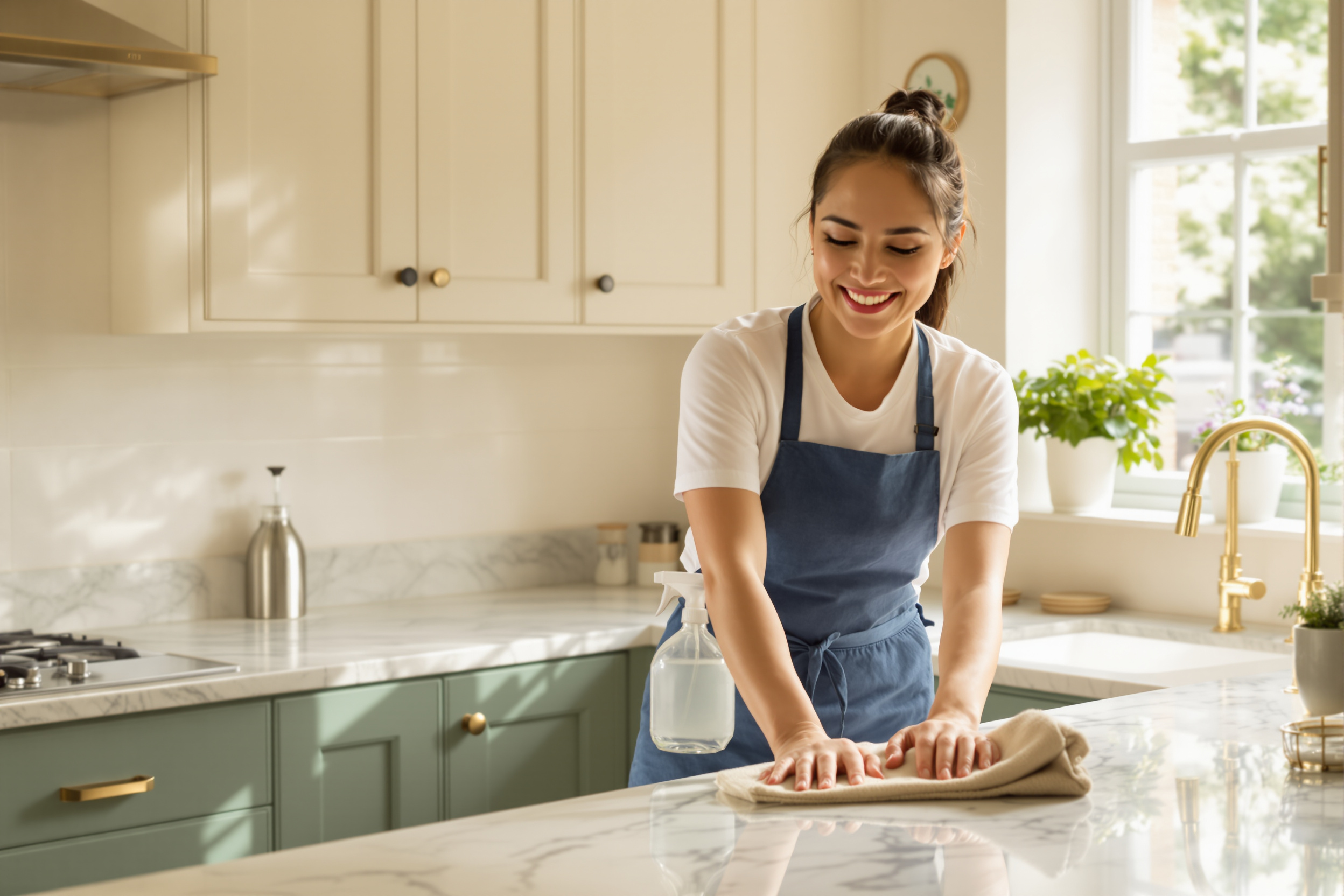
What are the most common cleaning mistakes?
Common mistakes include using too much product, ignoring label instructions, applying one product to every surface, mixing cleaning chemicals, using the same cloth across incompatible areas, trying to clean around clutter instead of clearing access, and treating structural damp, damaged sealant or specialist contamination as ordinary surface cleaning.
The safer fix is usually simpler: use the correct product and method for the material, follow the label, ventilate where required and define the task before starting.
Eight cleaning mistakes worth correcting.
These are household-cleaning principles, not product-specific instructions. Manufacturer labels take precedence.
Using more product than the label calls for.
More chemical does not necessarily mean a better result. Excess product can leave residue, increase exposure and make rinsing or wiping harder. Follow the stated dilution or use instructions.
Treating every surface as if it were the same material.
Natural stone, sealed wood, stainless steel, glass, painted surfaces and bathroom finishes can have different requirements. Check the surface and product compatibility first.
Mixing cleaning products to make them “stronger”.
Do not create improvised chemical combinations. HSE guidance focuses on safe product use, hazard labels, ventilation and controlling exposure. Use products as supplied or diluted according to their instructions.
Using one cloth for every room and task.
Separate tools by practical use so bathroom, kitchen and general-surface work do not become one undifferentiated routine. Wash or replace cloths appropriately.
Cleaning around objects instead of creating access.
A cluttered surface makes it harder to clean the surface itself. Move only what can be moved safely, then return items according to the household brief.
Skipping ventilation when the label or task requires it.
HSE guidance for cleaners highlights ventilation as one control for reducing exposure to some cleaning substances. Follow the product instructions and task-specific precautions.
Using household cleaning to solve a repair problem.
Persistent mould from a leak, damaged grout, broken seals or other building defects can return until the underlying cause is repaired. Cleaning the surface is not the same as fixing the cause.
Adding deep-clean tasks to a routine visit without changing the scope.
Inside appliances, cupboards, detailed skirting and accumulated work can consume the time intended for normal maintenance. Scope the deeper work separately.
How should you choose and use cleaning products?
Start with the manufacturer label and the material being cleaned. HSE notes that some cleaning products can be hazardous and that labels can include hazard pictograms. In professional cleaning, exposure should be controlled through safe techniques, storage, ventilation and protective equipment where the task requires it.
This guide deliberately avoids homemade “miracle mix” recipes. A surface-specific product used according to its instructions is easier to assess than an improvised mixture with uncertain compatibility or reaction risk.
A simple order of work reduces re-cleaning.
Clear safe access.
Move small items only where it is appropriate and agreed, so the surface can be cleaned properly.
Choose the right product and tool.
Match them to the surface and label instructions before applying anything.
Work in a logical sequence.
For example, deal with higher accessible dust before the final floor clean so debris is not dropped onto a finished surface.
Check the result before moving on.
Look for residue, missed areas or a task that needs a different method rather than repeatedly adding product.
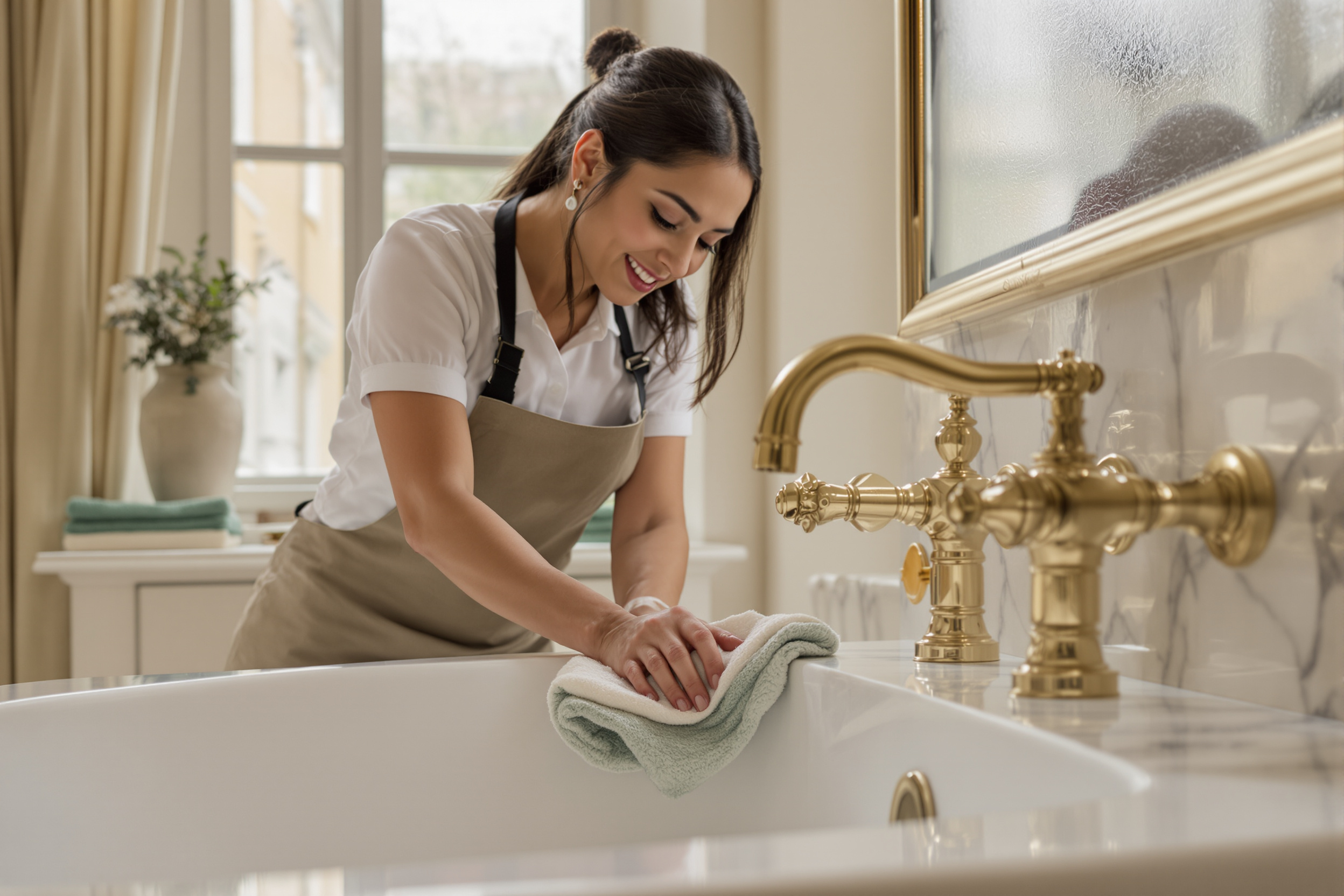
From our work: our service pages are room-and-task based, not “use one trick everywhere”.
The existing Filipino Domestic Services cleaning pages separate kitchens, bathrooms, living areas, bedrooms and detailed extras because the work changes by room and surface. The deep-clean page also separates inside appliances, cupboards, skirting, doors, switches and other lower-frequency tasks instead of treating the whole house as one undifferentiated cleaning problem.
That structure is useful for avoiding mistakes. It prompts the household to say what actually needs cleaning and helps the cleaner choose a suitable method for the material rather than applying one product or technique everywhere. It also prevents an optional detailed task from silently consuming the time set aside for routine rooms.
The rebuild removes old internet-style cleaning hacks that would encourage improvised chemical combinations or overconfident health claims. Where chemical safety matters, the page points back to current HSE guidance and manufacturer instructions. Where the issue is scope, it points back to the relevant service.
Our operational preference is therefore specific but conservative: clear task, correct surface, labelled product, safe method, then review the result. If the household wants a professional visit rather than another DIY attempt, the service pages provide the next step.
When should you stop troubleshooting and book a clean?
If the issue is simply that the home needs a defined standard reset, arrange one-off cleaning. If the household wants a repeatable maintenance routine, book regular domestic cleaning. If the detailed low-frequency list has become a separate job, use the deep-clean service.
For structural damp, damaged surfaces, pests, asbestos or other specialist hazards, cleaning may not be the correct professional service.
Cleaning-mistake questions.
Is using more cleaning product better?
No. Follow the label or dilution instructions. Using more can increase residue and exposure without improving the result, and some products require specific ventilation or protective measures.
Can I mix two cleaning products together?
Do not improvise chemical mixtures. Use products according to their labels and manufacturer instructions. If one method is not suitable, choose a different labelled product or method rather than combining chemicals.
Should I use the same cleaner on every surface?
No. Check the material and product compatibility. Wood, stone, metal, glass, painted finishes and bathroom surfaces can have different cleaning requirements.
Why does mould keep returning after I clean it?
Persistent mould can have an underlying moisture, leak or ventilation cause. Surface cleaning may remove visible growth, but the source of damp should also be identified and addressed.
Is inside-oven cleaning part of a normal regular clean?
Not automatically. Inside appliances are better treated as explicit detailed tasks because they can materially change the time and product requirements of the visit.
What cleaning service should I choose if the house needs a reset?
Use one-off cleaning for a standard single visit or deep cleaning for a more intensive detailed task list. The cleaning hub compares the service categories.
Safety sources.
Cleaning-product claims are grounded in current HSE material rather than social-media hacks or invented mixtures.
Choose a safer method or move to the right cleaning service.
If the problem is scope rather than technique, the cleaning network gives you a clearer route.